Managing Tariff Uncertainty in the Consumer Electronics Sector with TariffBuster™
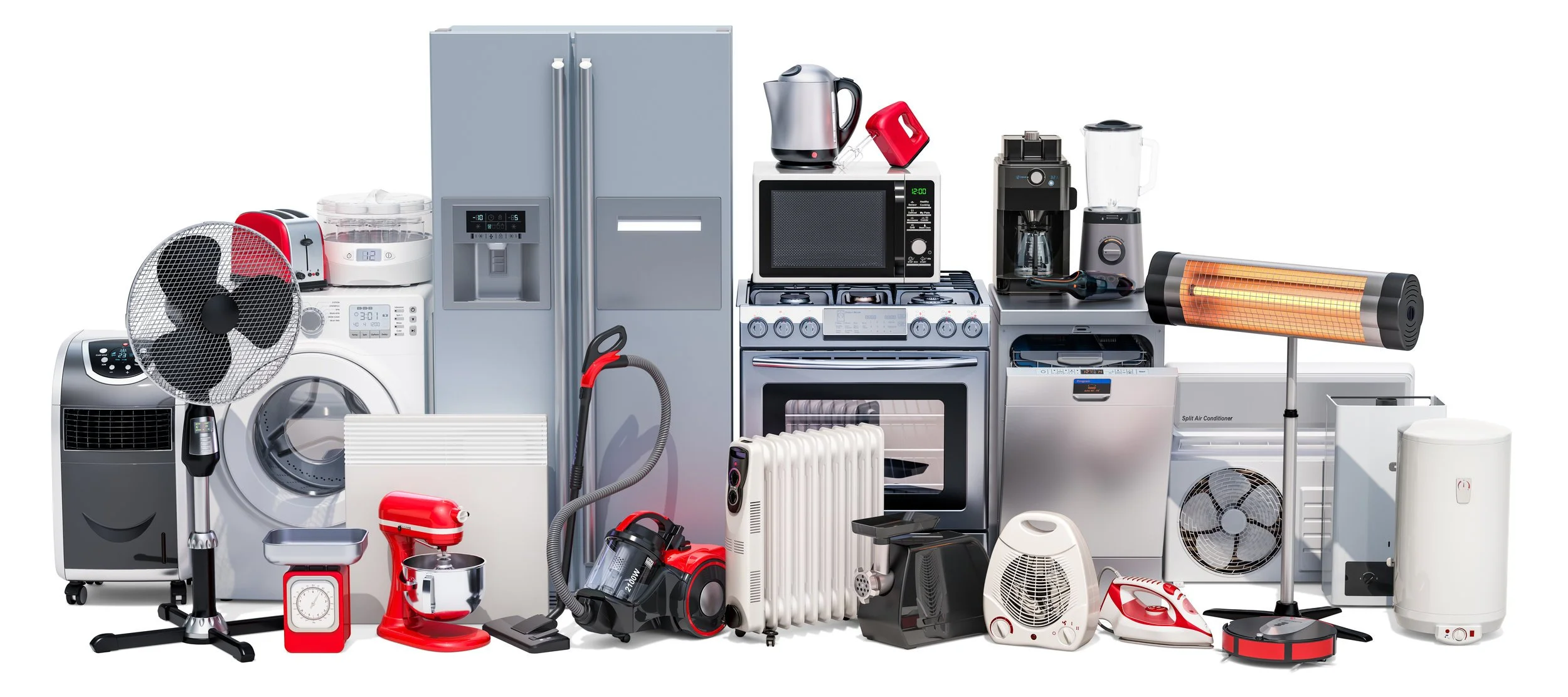
Manufacturing—particularly automotive, machinery, metal-intensive, and electronics industries—is among the sectors most directly affected by U.S. tariffs due to its reliance on imported inputs and globally integrated supply chains. The consumer electronics segment has been especially exposed to these pressures.
Because the U.S. depends heavily on imported consumer technology, tariffs can significantly increase the cost of both finished products and essential components. A large portion of smartphones, laptops, TVs, and accessories are sourced from China and other Asian economies subject to baseline and, in some cases, elevated tariff rates. These duties are frequently passed through the supply chain, leading to higher retail prices.
Estimates suggest that, if fully passed on to consumers, tariffs can raise smartphone prices by approximately 30%, while TVs and display products may see double-digit percentage increases. As prices rise, consumer purchasing power declines, with households paying more for everyday technology.
At the same time, higher input costs compress margins for electronics brands and manufacturers that cannot easily absorb the increases. In response, some companies have diversified production away from China to countries such as Vietnam, India, and Mexico in an effort to reduce tariff exposure.
How TariffBuster™ Helps
Many electronics companies are reshoring certain operations or shifting production to regional hubs outside tariff-affected markets. While this strategy can reduce long-term tariff costs, it often requires significant capital investment and supply-chain restructuring.
With access to more than 170 global tariff regimes, TariffBuster™ provides actionable insights to help businesses identify lower-tariff sourcing options and evaluate new market opportunities supporting stronger margins and improved profitability. Tariff uncertainty has already prompted companies such as Apple Inc. to accelerate diversification of manufacturing beyond China. In some instances, the U.S. government has granted temporary exemptions for specific electronics products (e.g., smartphones and laptops) following industry lobbying, though such relief has not been universal.
Ultimately, tariffs are largely borne by U.S. consumers and businesses rather than foreign exporters. The result is higher retail prices for technology products, reduced purchasing power, and, in some cases, delayed buying decisions or substitution toward lower-cost alternatives.
Import Scenario Example
Let’s look at an import scenario using TariffBuster™. In this instance we will be importing $10,000 USD in capacitors from China for use in assembling high-end audio equipment in the US.
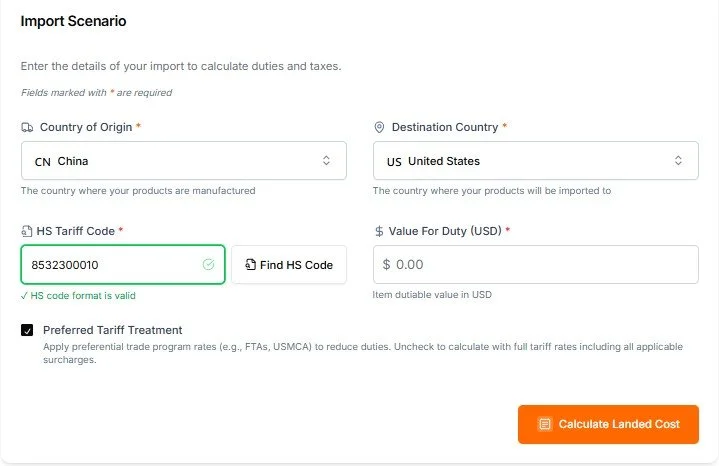
Add your country of origin, destination, value, and find an accurate HS code using our proprietary Ai agent.
In this example, TariffBuster’s™ artificial intelligence agent determines with a high degree of accuracy that the Harmonized System (HS) Code for this commodity is 8532.30.00.10.
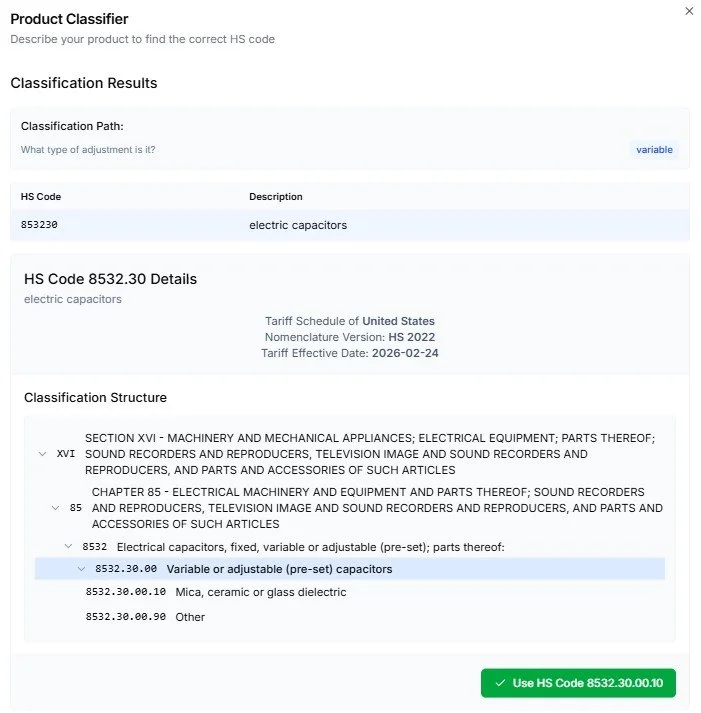
Our powerful Ai agent ensures you obtain the proper HS code to the highest degree of accuracy.
TariffBuster™ can then calculate the landed cost in the next step. Upon entering the value for duty, Tariff Buster instantaneously calculates the estimated landed cost, incorporating the most current and complex tariff and duty rates. In this example scenario we see a Customs duty of 35% will be applied upon import with estimated duty and taxes owed to be $3500 USD. This breaks down to a Section 99 Temporary Import Surcharge of 10% and an additional section 99/301 for China at 25%. But are other sources available? And are those source countries applicable to the same tariffs? Maybe not.
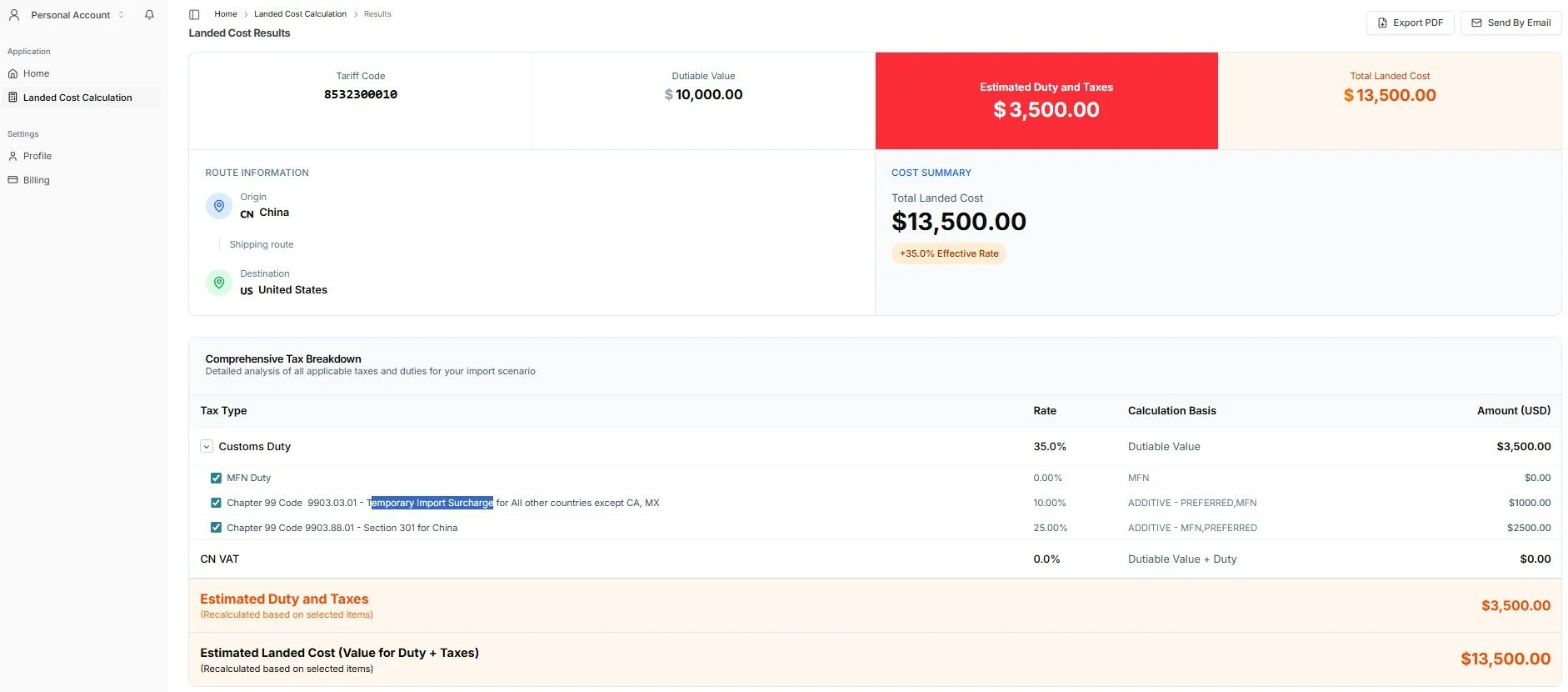
Detailed landed cost results are provided with section 99, 301, 232 temporary import measures + additional line items of duties and taxes to be owed on import.
TariffBuster™ goes beyond calculation by automatically suggesting alternate sourcing countries where identical commodities can be procured at significantly lower duty rates. In this example, -if Mexico is viable for sourcing the same capacitors, then an estimate 25.9% in savings could be achieved, unlocking the predictable insight you need to maximize profit and stay ahead of the curve.
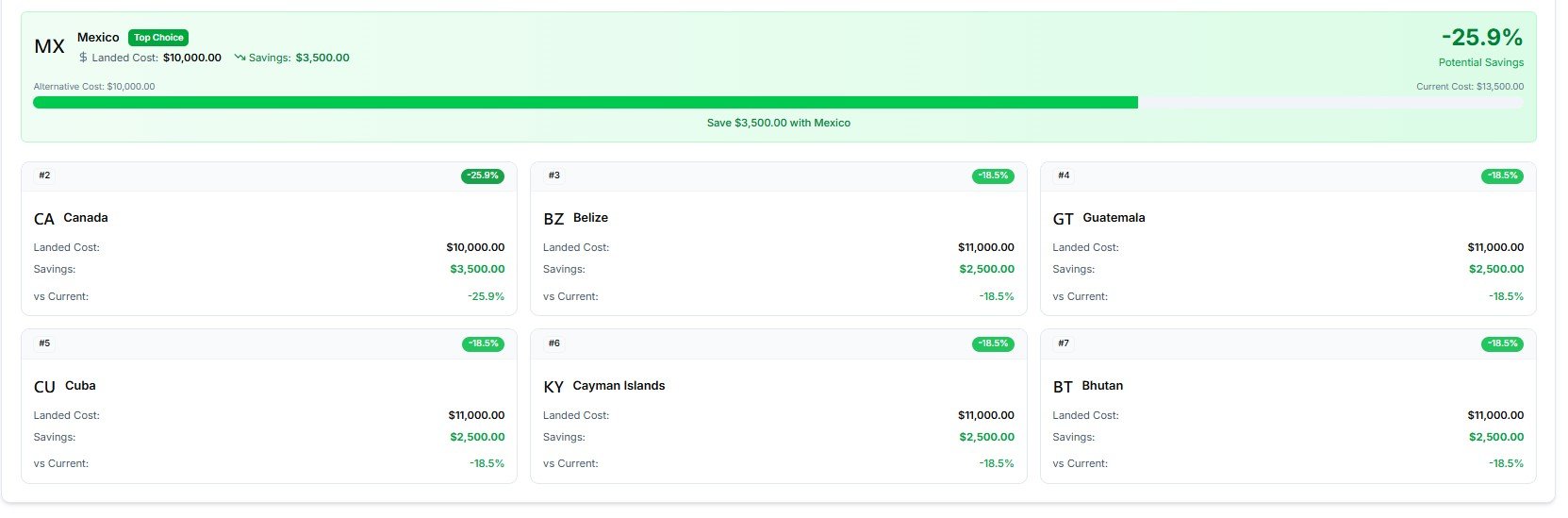
Countries that could reduce your total landed cost sorted by potential savings.
Use this Strategic Sourcing Insight to go beyond calculation and automatically determine alternate sourcing countries where identical commodities can be procured at significantly lower duty rates.
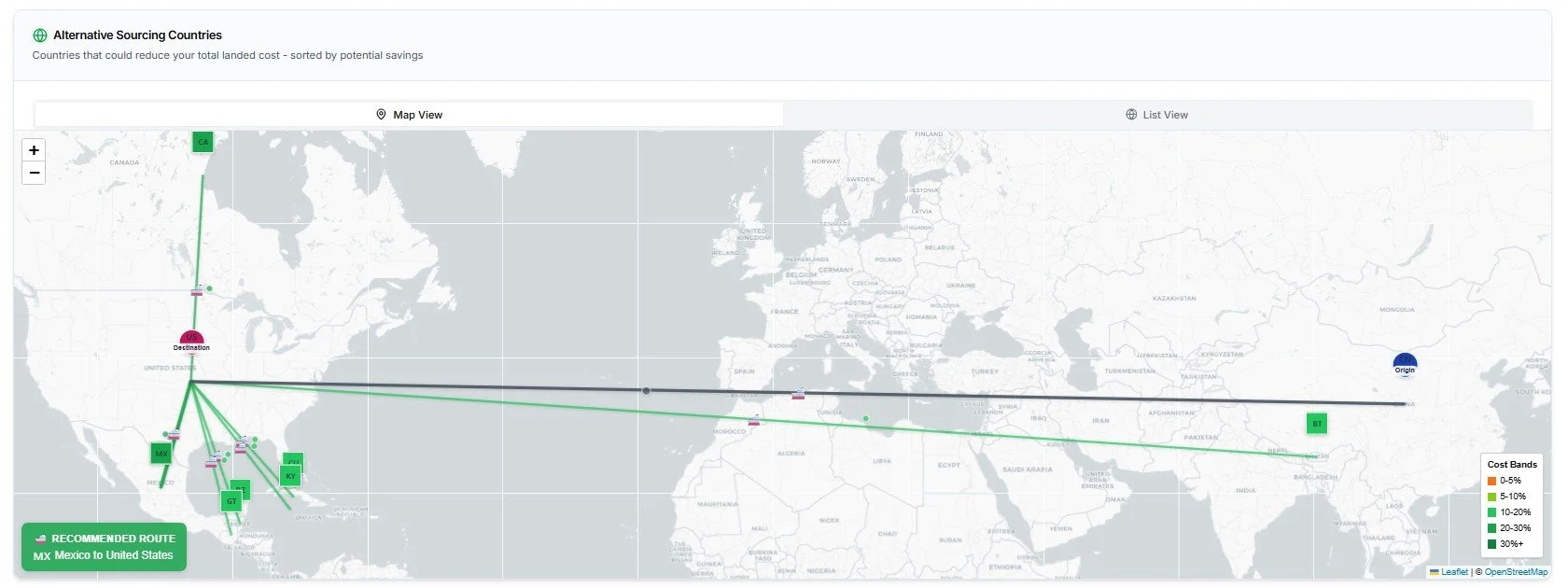
Map View